
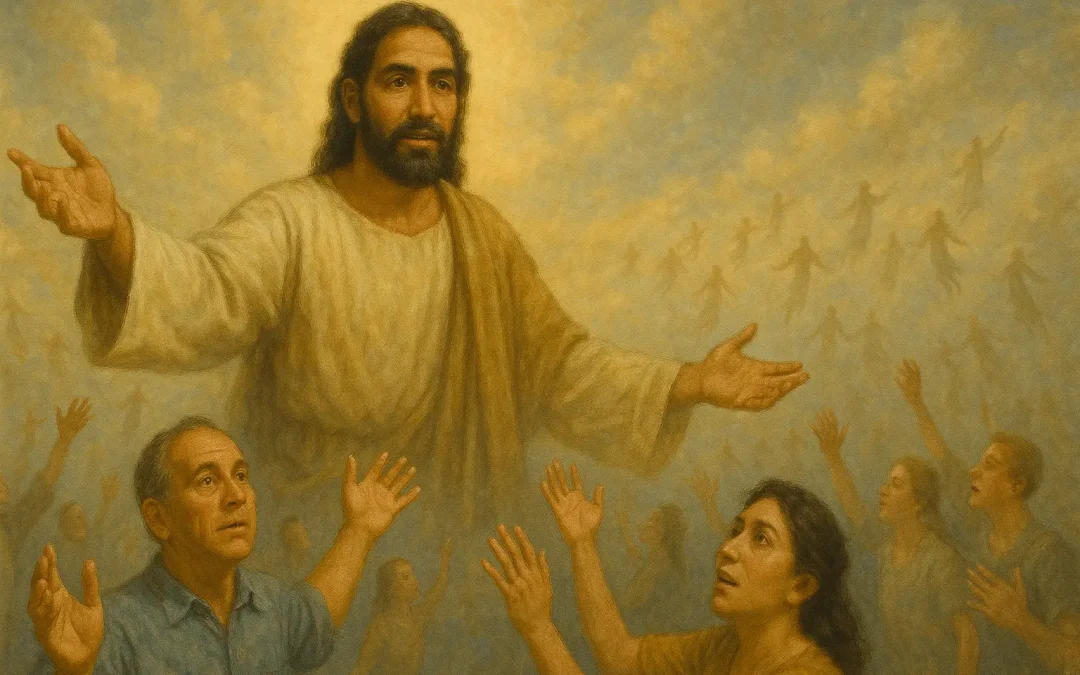
For centuries, Christians have eagerly anticipated the promised return of Jesus Christ. One of the most debated questions in Bible prophecy is not if the Rapture will happen, but when. The Apostle Paul describes it clearly:
“For the Lord Himself will descend from heaven with a shout, with the voice of an archangel, and with the trumpet of God. And the dead in Christ will rise first. Then we who are alive and remain shall be caught up together with them in the clouds to meet the Lord in the air.” (1 Thessalonians 4:16–17, NKJV)
While all believers agree this event will happen, the debate centers around its timing in relation to the seven-year Tribulation described in Daniel 9:27 and Revelation 6–19.
The Three Major Views
Pre-Tribulation Rapture
The Pre-Tribulation view teaches that the Rapture occurs before the Tribulation begins. Believers are taken out of the world and spared from the time of wrath. This view emphasizes God’s promise:
“For God did not appoint us to suffer wrath but to receive salvation through our Lord Jesus Christ.” (1 Thessalonians 5:9, NIV)
Leaders such as John Walvoord (The Rapture Question) and Hal Lindsey (The Late Great Planet Earth) strongly defended the Pre-Tribulation position, noting its consistency with the doctrine of imminence—the teaching that Christ could return at any moment.
Mid-Tribulation Rapture
The Mid-Trib view places the Rapture at the halfway point of the Tribulation (after 3½ years), around the time the Antichrist breaks his covenant with Israel (Daniel 9:27). While some find this attractive because it avoids the “greatest” outpouring of wrath, it diminishes the any-moment expectation of Christ’s return.
Post-Tribulation Rapture
The Post-Trib view holds that the Rapture and Second Coming are the same event, occurring at the end of the Tribulation. Believers are raptured to meet Christ in the air and immediately return with Him to earth. However, this leaves little room for the “comfort” Paul intended:
“Therefore comfort one another with these words.” (1 Thessalonians 4:18, NKJV)
Why Pre-Trib Makes the Most Sense
1. Deliverance from Wrath
Jesus promises the faithful church at Philadelphia:
“Because you have kept My command to persevere, I also will keep you from the hour of trial which shall come upon the whole world, to test those who dwell on the earth.” (Revelation 3:10, NKJV)
Pre-tribulation scholars like Chuck Missler and Terry James interpret this as a promise of removal—not preservation—during the Tribulation.
2. The Doctrine of Imminence
If the Rapture occurred mid- or post-Tribulation, believers would know it could not happen until after certain prophesied events. Only the Pre-Trib view preserves the any-moment expectancy that Paul taught in Titus 2:13:
“…looking for the blessed hope and glorious appearing of our great God and Savior Jesus Christ.” (NKJV)
3. Distinction Between Israel and the Church
The Tribulation is described as “the time of Jacob’s trouble” (Jeremiah 30:7), a period focused on Israel and the unbelieving nations. The Church—the Bride of Christ—is distinct from Israel and is promised deliverance, not wrath.
As Chuck Smith, founder of Calvary Chapel, taught:
“The Lord is coming for His Bride. We are not looking for the Antichrist—we are looking for Jesus Christ.”
Conclusion: Be Ready
The debate over the timing of the Rapture has sharpened believers’ focus on prophecy for generations. But from a Pre-Tribulation perspective, the evidence is clear: the Church will be caught up before the Tribulation begins.
And this is not just theology—it is hope. The words of Jesus remind us to live watchfully:
“Watch therefore, for you do not know what hour your Lord is coming.” (Matthew 24:42, NKJV)
For those who trust Him, the Rapture is a promise of rescue, comfort, and eternal reunion with the Lord.